How do camps handle vegetarian children? Most Kenya safari camps can manage a vegetarian child, but only if you give clear notice and repeat it. The real question is not whether it is possible. It is what to write, when to ask, and what the camp will actually put on the plate. This guide follows the questions parents ask us most, with named camps and current prices where they matter.
Tell the camp before booking and reconfirm before arrival
Tell the safari operator about your child’s vegetarian diet when you book. Ask for it to be recorded at every camp, and reconfirm a few days before arrival. Standard vegetarian meals usually need 48 to 72 hours’ notice. Vegan, allergy-sensitive, or highly specific requests may need one to two weeks because remote camps restock on fixed schedules.
Do not wait until check-in. The best moment is in the booking email. Write one short paragraph: your child’s name, age, vegetarian type, foods she eats, foods she avoids, and whether eggs and dairy are fine. Ask the operator to confirm in writing that every camp on the itinerary has received the note. Then send one reminder three days before you fly.
If the child has a medical allergy or a combined requirement, ask for the camp manager’s email rather than leaving the note with a reservation line. A remote camp may only receive supplies once a week. That is why notice matters more than the type of vegetarian diet.
What vegetarian children can eat at safari camps
Vegetarian children can usually eat familiar staples alongside Kenyan dishes: porridge, toast, eggs, fruit, pasta, rice, vegetable curry, lentils, beans, chapati, ugali, samosas, vegetables, and cake. Ask the chef to provide a filling protein source such as beans, lentils, eggs, tofu, or dairy rather than serving only chips, bread, or salad.
Breakfast is the easiest meal for a vegetarian child. Most camps serve porridge, fruit, toast, eggs, and cereal. Lunch often includes a hot vegetarian dish plus salads and bread. Dinner menus vary more, but most permanent lodges keep pasta, rice, and vegetables on hand. Chapati and ugali are common starch sides that children usually accept. Samosas can be filled with meat or vegetables depending on the day, so ask before the child takes one.
The weak spot is protein. A child who eats only bread and chips will be hungry on an early game drive. Request beans, lentils, eggs, or dairy with at least one main meal each day. If your child is used to tofu, ask whether the camp stocks it. In remote camps, tofu may not be available every day.
How Do Camps Handle Vegetarian Children’s Daily Meals
Family-friendly camps commonly simplify adult menus for children by offering pasta, rice, vegetables, fruit, pizza-style dishes, pancakes, or chips, and can prepare earlier meals when requested. Because menus may be planned in advance, parents should send a short list of accepted foods and ask whether the camp has a children’s menu before travelling.
A child-friendly safari menu is not usually an adult vegetarian menu with smaller portions. Good camps will offer plain pasta, plain rice, mashed potatoes, fruit plates, pancakes, and mild vegetable curries. Ask if the kitchen can keep one or two simple foods ready for early dinners or a tired child who falls asleep before the main meal.
Send a list of ten or fewer accepted foods. This helps more than a long list of dislikes. A list such as rice, pasta, beans, carrots, bananas, bread, eggs, tomato sauce, pancakes, and coconut milk is practical for a bush kitchen. If the child eats dairy, say so. If she does not, say that too.
Vegetarian versus vegan: what changes
Vegetarian meals are routine at most Kenya camps, but vegan meals require clearer instructions because butter, ghee, milk, cream, and eggs can appear in chapati, sauces, desserts, and breakfast foods. State whether the child eats eggs and dairy, then ask the chef to verify ingredients rather than assuming a vegetable dish is vegan.
The vegetarian label is understood at almost every camp. The vegan label is not always precise. Chapati may be cooked with ghee. A vegetable curry may contain cream. A dessert may be set with eggs. If your child avoids all animal products, write “no meat, fish, chicken, eggs, dairy, ghee, butter, cream, or milk” rather than only “vegan.”
Many kitchens can adjust one dish, but only if they know the exact limit. Ask the chef to confirm whether the vegetable soup contains chicken stock and whether the rice is cooked in butter. One family we advised requested coconut milk for porridge, and the camp delivered it after three days. That early notice made the difference.
Packed lunches, bush meals, and game-drive snacks
A vegetarian child can normally receive a separate packed lunch or snack box for a full-day game drive if the request is made in advance. Ask for a labelled meal containing substantial food such as sandwiches, pasta, rice, beans, fruit, samosas, or cake, because a generic picnic box may otherwise contain meat, chicken, or fish.
On a full-day drive, the packed breakfast or lunch may be the main meal the child eats between 6:00 a.m. and 2:00 p.m. Do not let the camp send only fruit and biscuits. Ask for a labelled box with the child’s name and the word vegetarian. Include a sandwich, a pasta or rice dish, fruit, and a small cake or energy bar if possible. If your child has a fever or an upset stomach, review what to do if your child gets sick on safari.
Also ask what the camp provides for drinking water and whether milk alternatives are available in the vehicle. If your child needs soy milk or oat milk, request it before departure. Many camps carry a cool box on game drives, but the contents are planned in the morning.
Remote camps, special ingredients, and possible extra charges
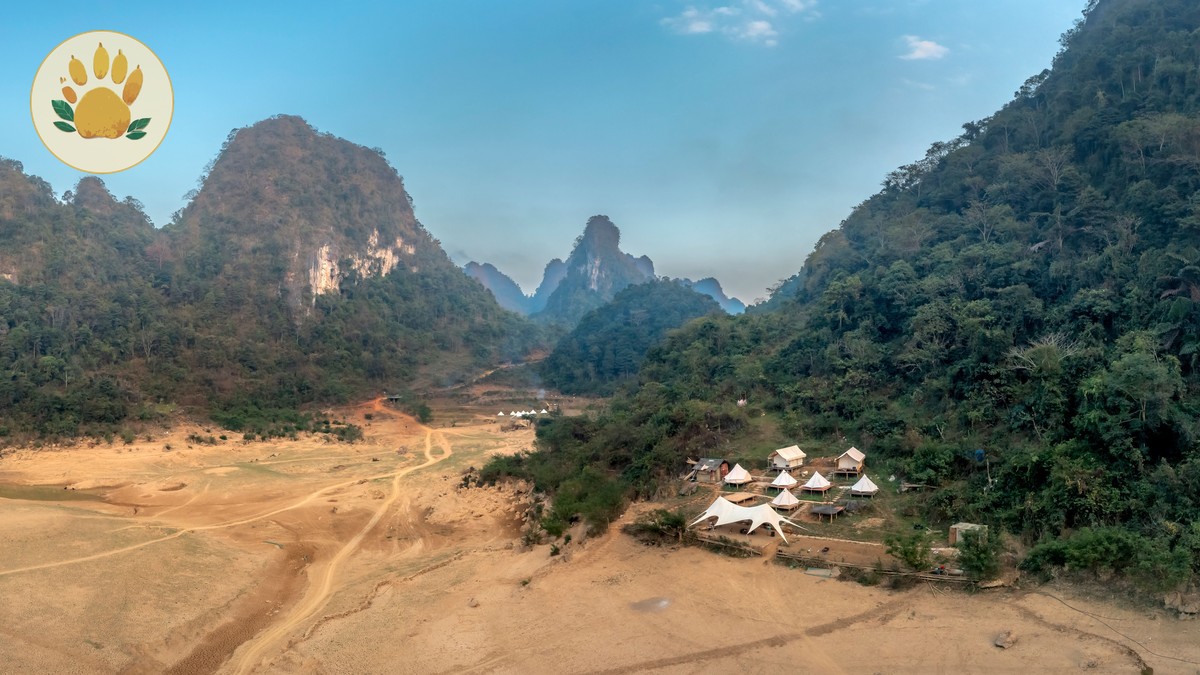
Remote camps can usually provide vegetarian food, but they may have fewer substitutes and less menu variety than permanent luxury lodges. Standard vegetarian meals are generally included; a small number of remote properties may charge roughly USD 5 to 15 per person per day for imported or specially sourced ingredients, so confirm any fee in writing.
A remote mobile camp in the Mara cannot restock every day. It will still have rice, beans, lentils, vegetables, flour, and eggs. A vegan child needing oat milk or gluten-free bread may push the kitchen beyond what it can replace mid-trip. If you need imported items, ask the operator before booking whether the camp can source them and whether there is an extra cost. For context on what is included, see what private conservancy safari fees include.
Most permanent lodges in Amboseli or the Maasai Mara do not add a special charge for ordinary vegetarian food. A few remote camps may say something like “special dietary requirements attract USD 10 per person per day.” That is usually for specialist products, not for cutting meat out of a meal. Get it in writing so there is no surprise.
Kenya safari camps with particularly strong vegetarian options
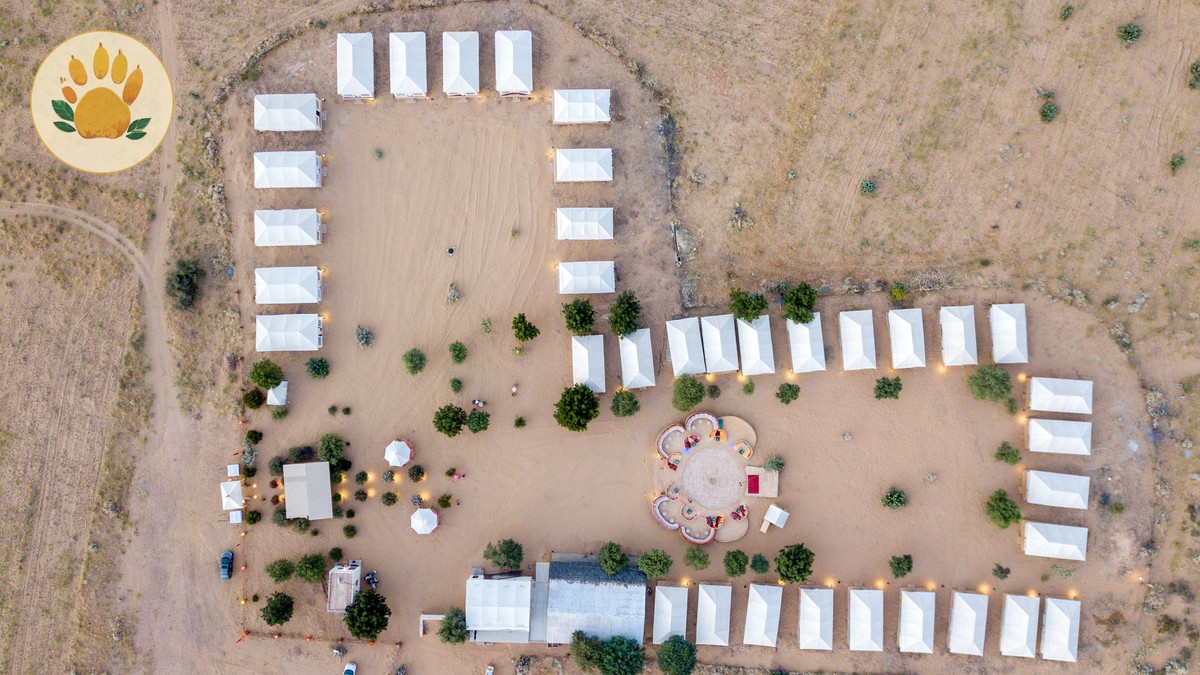
Examples of camps reported to handle plant-based meals well include Angama Mara, Tortilis Camp, Lewa Safari Camp, and Emboo Camp. Angama is described as offering individually plated adapted menus, while Emboo Camp is notable for a vegan-first kitchen; availability and policies should still be confirmed for the child’s travel dates.
The table below gives current park fees and indicative road times for a few named examples. Park fees shown are the October 2025 KWS and Narok County rates.
| Camp | Region | Indicative road drive from Nairobi | Current non-resident park or conservancy fee | Vegetarian child notes |
|---|---|---|---|---|
| Angama Mara | Maasai Mara, Mara Triangle | About 5 to 6 hours | USD 100 January to June, USD 200 July to December | Individually plated adapted menus, pasta, rice, fruit |
| Tortilis Camp | Amboseli National Park | About 4 hours | USD 90 | Children’s menu, pasta, beans, vegetables, fruit |
| Lewa Safari Camp | Lewa Conservancy | About 5 hours | Confirm with camp; Naboisho and Mara North comparators roughly USD 80 to 150 per person per night | Strong vegetarian options, vegetable curries, eggs |
| Emboo Camp | Greater Maasai Mara | About 5 to 6 hours | Confirm with camp; private conservancy fees vary | Vegan-first kitchen, plant-based meals |
Road times are indicative and depend on traffic, road conditions, and the exact lodge location. Flights cut most of these drives to under two hours, and some private conservancies bundle fees into the nightly rate, so always confirm with the operator.
Do not book solely on a camp’s reputation for vegetarian food. Ask for a sample vegetarian children’s menu for your dates. A camp may have a strong vegan reputation but still be far from the game areas your family wants to explore. Balance the food with the location and the wildlife experience.
The SafariPure Difference
SafariPure treats a child’s dietary requirements as a planning item, not a kitchen afterthought. When you book, we ask the same questions we would want asked for our own children. We send your written dietary note to every camp, tent, and vehicle guide on the itinerary. We confirm in writing that each stop can handle the child’s vegetarian meals.
Then we reconfirm a few days before arrival. We check whether the packed bush meal is labelled correctly and whether milk alternatives have been stocked. If a remote camp cannot guarantee a vegan meal, we tell you before you pay, not after you arrive. We also check the practical pace, family room layout, and malaria zone with the same level of care.
This is not a promise that every meal will be perfect. It is a process that reduces the most common failures: lost dietary notes, meat-filled picnic boxes, and a hungry child at 6:00 a.m.
Frequently Asked Questions
Can safari camps accommodate vegetarian children?
Yes. Vegetarian meals are commonly handled by Kenya safari camps, and children can usually receive familiar foods alongside vegetable curries, rice, beans, lentils, fruit, and other local dishes. Tell the operator at booking and reconfirm with each camp before arrival.
What do vegetarian children eat on safari?
Typical options include porridge, toast, eggs, fruit, pasta, rice, vegetable curry, beans, lentils, chapati, ugali, samosas, sandwiches, and cake. Ask the camp to include protein and enough calories, particularly on days with early starts and long game drives.
Do I need to tell a safari camp about a vegetarian child in advance?
Yes. Give the information to the safari operator when you book, have it passed to every camp, and reconfirm it shortly before arrival. Standard vegetarian requests often need 48 to 72 hours’ notice, while vegan or combined dietary requirements may need longer.
Will a vegetarian child have food during a game drive?
Usually, yes, if the camp knows before preparing the packed lunch. Request a labelled vegetarian picnic with filling items such as sandwiches, pasta, rice, beans, fruit, or samosas, and check whether the child’s snack box contains dairy or eggs if those foods are excluded.
Do safari camps charge extra for vegetarian meals?
Most camps do not charge extra for ordinary vegetarian meals. A remote camp may add approximately USD 5 to 15 per person per day when it must source imported or unusual ingredients, so ask the operator to confirm the final cost before travel.
Planning a family safari with a vegetarian child is easier when the dietary notes are submitted early and confirmed in writing. SafariPure will check every camp on your route. Plan your family trip with SafariPure and contact us.